What is Geographical Indication (GI)? India is known for its rich cultural heritage, traditional skills, and region-specific products. From Darjeeling Tea to Banarasi Sarees, many products derive their unique quality, reputation, and value from the place where they are produced. Protecting these unique regional products is the role of Geographical Indications (GI).
Geographical Indication is an important form of Intellectual Property Right (IPR) that protects products linked to a specific geographical origin. This blog explains what a Geographical Indication is, why it is important, examples of GI-tagged products, the GI registration process in India, and the rights associated with GI protection, in simple and student-friendly language.
A Geographical Indication (GI) is a sign used on goods that originate from a specific geographical location and possess qualities, reputation, or characteristics essentially attributable to that place of origin. In India, geographical indications are protected under the Geographical Indications of Goods (Registration and Protection) Act, 1999. Examples of GI products include Darjeeling Tea, Banarasi Saree, and Kanchipuram Silk.
What Is a Geographical Indication (GI)?
A Geographical Indication (GI) is a sign used on products that originate from a specific geographical location and possess qualities, reputation, or characteristics essentially attributable to that place.
In simple words:
A GI tag identifies a product as belonging to a particular region and having unique qualities because of that region.
For example:
-
Darjeeling Tea – known for its flavor and aroma
-
Kanchipuram Silk Sarees – famous for their craftsmanship
-
Basmati Rice – valued for its fragrance and grain quality
Only authorized producers from the defined geographical area are allowed to use the GI name.
Legal Meaning of Geographical Indication
A Geographical Indication is a type of intellectual property that links a product’s quality and reputation to its place of origin. It applies mainly to agricultural, natural, and manufactured goods.
GIs are protected under specific laws in each country. In India, they are governed by the Geographical Indications of Goods (Registration and Protection) Act, 1999.

Why Are Geographical Indications Important?
Geographical Indications play a vital role in protecting traditional knowledge and promoting regional development.
1. Protection of Traditional Products
GI prevents misuse or imitation of famous regional products.
2. Economic Development
GI-tagged products often receive better market value, increasing income for local producers and artisans.
3. Consumer Trust
Consumers are assured of authenticity and quality when they see a GI label.
4. Preservation of Cultural Heritage
GI protection helps preserve traditional skills, methods, and local knowledge.
5. Rural Empowerment
Farmers, artisans, and local communities benefit directly from GI recognition.
Types of Products Protected by GI
Geographical Indications can be granted to various types of goods, including:
1. Agricultural Products
-
Tea
-
Coffee
-
Rice
-
Spices Example: Darjeeling Tea, Basmati Rice
2. Natural Products
-
Minerals
-
Stones Example: Makrana Marble
3. Manufactured Goods
-
Handicrafts
-
Textiles
-
Industrial products Example: Banarasi Sarees, Channapatna Toys
Examples of GI-Tagged Products in India
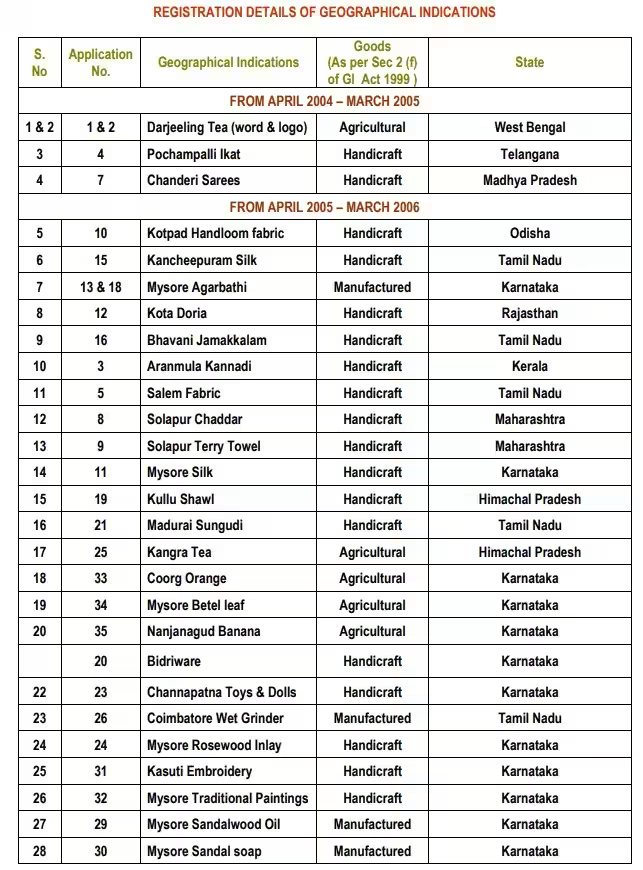
India has hundreds of GI-registered products. Some well-known examples include:
-
Darjeeling Tea (West Bengal)
-
Tirupati Laddu (Andhra Pradesh)
-
Banarasi Sarees (Uttar Pradesh)
-
Mysore Silk (Karnataka)
-
Kolhapuri Chappals (Maharashtra)
-
Kullu Shawls (Himachal Pradesh)
Each of these products is valued for its regional uniqueness and traditional production methods.
Who Can Apply for a GI Registration?
The following entities can apply for GI registration:
-
Associations of persons
-
Producers’ organizations
-
Cooperative societies
-
Government authorities
Individual producers cannot register a GI in their personal capacity, but they can become authorized users after registration.
GI Registration Process in India
The GI registration process in India involves several steps:
1. Filing of Application
An application is filed with the GI Registry in Chennai, detailing the product, region, and unique characteristics.
2. Examination
The application is examined for compliance with legal requirements.
3. Publication
If accepted, the GI is published in the Geographical Indications Journal.
4. Opposition
Any person may oppose the registration within the prescribed time.
5. Registration
If no opposition is filed or objections are resolved, the GI is registered and a certificate is issued.

Validity and Renewal of GI
-
A GI registration is valid for 10 years
-
It can be renewed indefinitely every 10 years
-
Authorized users must also renew their registration
Rights Conferred by GI Registration
GI registration provides:
-
Exclusive right to use the GI tag
-
Legal protection against misuse or imitation
-
Right to seek legal remedies in case of infringement
-
Market recognition and branding benefits
GI Infringement
GI infringement occurs when:
-
Unauthorized persons use the GI name
-
False origin is indicated
-
Consumers are misled about the product’s authenticity
Remedies for GI Infringement
-
Injunctions
-
Damages or compensation
-
Seizure of infringing goods
Difference Between GI and Trademark
-
GI identifies products linked to a geographical region
-
Trademark identifies goods or services of a particular business
-
GI rights belong to a community, not an individual
-
Trademarks can be sold or transferred; GIs cannot
Importance of GI in Global Trade
With globalization, GI protection helps:
-
Prevent exploitation of traditional products
-
Promote exports
-
Enhance India’s cultural identity
-
Protect regional names internationally
Geographical Indication is a powerful intellectual property right that protects the uniqueness of region-specific products. It ensures that only genuine producers benefit from the reputation of their goods, while consumers receive authentic products. For students, artisans, farmers, and policymakers, understanding GI is essential for preserving heritage and promoting sustainable economic growth.
By protecting local identity, Geographical Indications strengthen both culture and commerce.
Total Registered GI in India: Download PDF
State wise Registered GI in India: Download PDF
Important Links
Follow IPR Guru on Social Media
| ▶ YouTube | ✖ Twitter (X) | |
| 📢 Telegram |